


NYC Health + Hospitals Encourages New Yorkers to Receive Their Annual Flu and Covid-19 Vaccinations during Respiratory Virus Season
Flu and COVID-19 vaccines, as well as RSV vaccines for eligible patients, are available at no cost for established patients at all of our hospitals and Gotham Health sites
New Yorkers can call 844-NYC-4NYC to schedule an appointment and become patients with NYC Health + Hospitals/Gotham Health or check online for walk in hours at our facilities
Oct 22, 2026
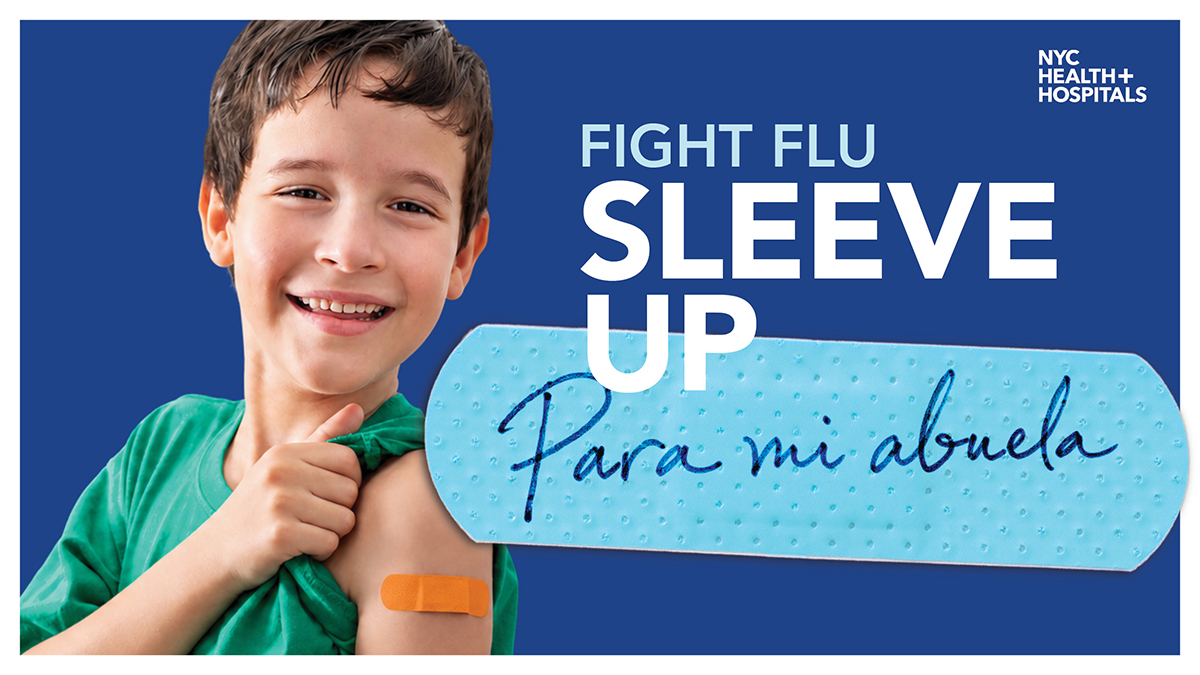
NYC Health + Hospitals today announced that the 2026–2027 updated influenza and COVID-19 vaccines are now available for patients at its hospitals and Gotham Health facilities across the city. All New Yorkers 6 months of age and older are strongly encouraged to get vaccinated against influenza and COVID-19. These vaccinations, as well as the RSV vaccine for eligible patients, can be administered at the same time and are a safe, effective way to protect yourself, your loved ones, and your community during respiratory virus season. Vaccinations are available at no cost to established patients at all NYC Health + Hospitals and Gotham Health sites. If you would like to schedule an appointment or become a patient with NYC Health + Hospitals/Gotham Health, please call 844-NYC-4NYC. You can also see walk in hours at various NYC Health + Hospital and Gotham Health facilities here. If you feel ill, stay home, and reach out to your primary provider or talk to a virtual ExpressCare provider by visiting ExpressCare.nyc or calling 631-397-2273.
The flu, or influenza, and COVID-19 are contagious respiratory infections that can cause severe illness and even death. Each year’s flu season is unpredictable, making annual vaccination the most reliable defense. COVID-19 continues to circulate, and updated vaccines provide the strongest protection against the most current strains. Many people at higher risk from flu are also at higher risk for severe disease from COVID-19.
“Getting vaccinated is one of the simplest and most important things you can do to protect your health this fall and winter,” said Andrew B. Wallach, MD, FACP, Chief Medical Officer for Ambulatory Care at NYC Health + Hospitals. “This season’s flu and COVID-19 vaccines have been updated to match the strains we expect to see, and eligible patients can safely get all of their vaccines during the same visit. Roll up your sleeve for yourself or for someone you care about — it’s an act of care that keeps you and your community safe.”
“Respiratory illnesses often increase in the fall and winter, and protection from flu and COVID-19 vaccines can wane over time, making this a good time to talk with your health care provider about the vaccines recommended for you,” said Syra Madad, DHSc, MSc, MCP, CHEP, Chief Biopreparedness Officer at NYC Health + Hospitals. “Getting vaccinated lowers your risk of serious illness and hospitalization and can help you stay healthier through school, work and holiday gatherings with friends and family.”
Vaccine Updates for 2026-2027
An annual flu shot is advised in the United States for everyone six months of age and older who does not have a medical reason that prevents vaccination. All influenza vaccines available this season are trivalent and designed to guard against two influenza A strains and one influenza B strain. For adults aged 65 and older, the New York State and New York City Health Departments continue to recommend a high-dose, recombinant, or adjuvanted flu vaccine, which offer stronger protection in this age group; if none is available, any age-appropriate flu vaccine should be given. Pregnant people are also strongly encouraged to receive the flu vaccine, both to protect themselves and their infants. Importantly, people with a history of egg allergy may safely receive any age-appropriate flu vaccine. No extra safety measures are necessary.
This season’s updated COVID-19 vaccines target the XFG variant. The New York State and New York City Health Departments recommend COVID-19 vaccination for most people 6 months and older, and especially for young children 6 to 23 months, older adults, pregnant people, people who are immunocompromised, and anyone with risk factors for severe illness. Recommended vaccines continue to be covered by private health insurance plans, public health insurance, and the Vaccines for Children program.
In addition, the Respiratory Syncytial Virus (RSV) vaccine is recommended as a single, one-time dose for all adults 75 and older and for adults 50 to 74 who are at increased risk of severe RSV illness, including people with chronic heart, lung or kidney disease, diabetes or a weakened immune system, and nursing home residents. RSV vaccine is not an annual shot; people who have already received a dose do not need another at this time.
Pregnant people can receive the RSV vaccine between 32 and 36 weeks of pregnancy during RSV season to help protect their newborns, and an RSV immunization is recommended for infants younger than 8 months whose mothers did not receive the vaccine during pregnancy, as well as for certain children 8 to 19 months at higher risk.
Sleeve Up … for Someone You Care About
NYC Health + Hospitals is leading by example.
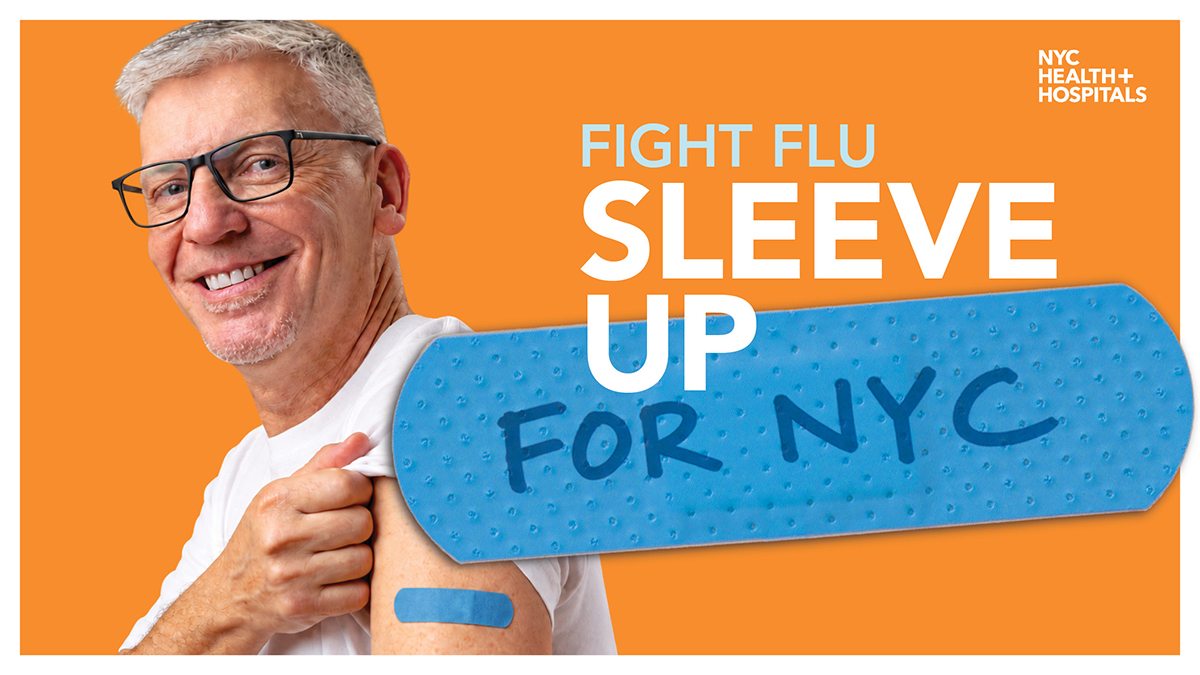
This month, the public health care system launched its annual employee flu vaccination campaign, Sleeve Up … for someone you care about, encouraging its more than 46,000 employees and all New Yorkers to get vaccinated to protect not only their own health but also their co-workers, families, and communities.
Why is it critically important to get both a flu and COVID-19 vaccine this year?
- The flu and COVID-19 vaccines have been updated for the 2026–2027 season to better match the strains expected to circulate in our communities, including the XFG variant of the virus that causes COVID-19.
- Flu and COVID-19 vaccinations can reduce the risk of hospitalization and even death.
- Getting infected with the flu can be dangerous and may result in serious illness, hospitalization and even death. During the 2025-2026 flu season in the United States, the Centers for Disease Control and Prevention (CDC) estimated that the flu likely resulted in 15–25 million medical visits, 390,000–800,000 hospitalizations, and at least 24,000 deaths.
- COVID-19 is a highly infectious disease and can cause severe illness, hospitalization, and even death. COVID-19 caused an estimated 290,000–450,000 hospitalizations and 34,000–53,000 deaths in the United States during the most recently reported CDC surveillance year (July 1, 2024–June 30, 2025).
- Respiratory viruses take a serious toll close to home. Last year in New York State, flu led to approximately 27,000 hospitalizations, RSV to 14,000, and COVID-19 to 13,000, according to the New York State Department of Health.
- Flu vaccination during pregnancy helps protect pregnant people from flu during and after pregnancy and helps protect their infants from flu in their first few months of life.
- Getting the updated COVID-19 vaccine can help protect pregnant people and their baby from serious illness from COVID-19.
- Vaccination against COVID-19 may prevent long-term side effects called Long COVID, which can include a range of symptoms that last for weeks, months, or even years after infection.
- Getting vaccinated against the flu and COVID-19 may also protect the people closest to you, including those who are more vulnerable to serious illness, like babies and young children, older people, and people with certain chronic health conditions.
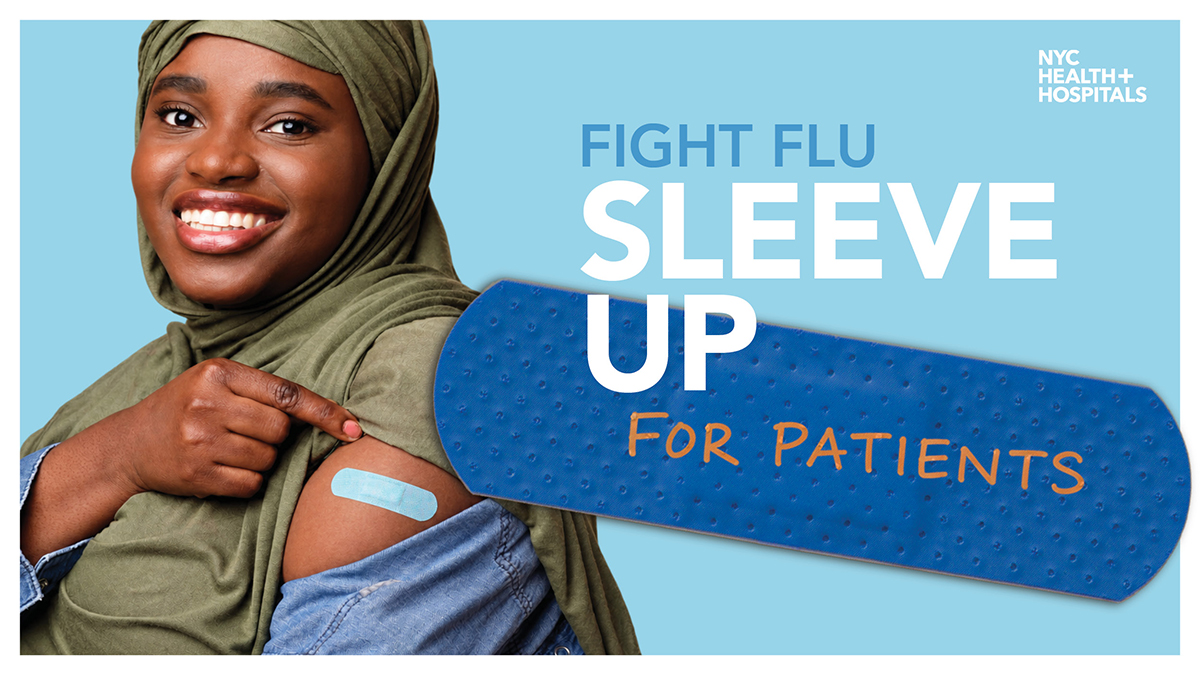
New Yorkers who would like to schedule an appointment or become patients with NYC Health + Hospitals/Gotham Health, can call 844-NYC-4NYC. Check here for a list of walk-in appointments available.
Watch a video message from NYC Health + Hospitals President and CEO Dr. Mitch Katz explaining why it is important for New Yorkers to get their annual flu vaccine.
For additional information, read the health system’s facts on fighting the flu.
###
MEDIA CONTACT: Press Office
#239-26
About NYC Health + Hospitals
NYC Health + Hospitals is the largest public health care system in the nation serving more than a million New Yorkers annually in more than 70 patient care locations across the city’s five boroughs. A robust network of outpatient, neighborhood-based primary and specialty care centers anchors care coordination with the system’s trauma centers, nursing homes, post-acute care centers, home care agency, and MetroPlus health plan—all supported by 11 essential hospitals. Its diverse workforce of more than 46,000 employees is uniquely focused on empowering New Yorkers, without exception, to live the healthiest life possible. For more information, visit www.nychealthandhospitals.org and stay connected on Facebook, Twitter, Instagram and LinkedIn.