


NYC Health + Hospitals/Bellevue to Bring Combined Heat and Power System Online, Cutting Emissions and Strengthening Resilience
New cogeneration infrastructure reduces grid dependence, recovers waste heat, and advances the public health care system's commitments to sustainability, resiliency, and efficiency
The health system has achieved a 30% reduction in operational carbon dioxide emissions since 2006 and is continuing its efforts to reach a 50% reduction by 2030
Apr 22, 2026
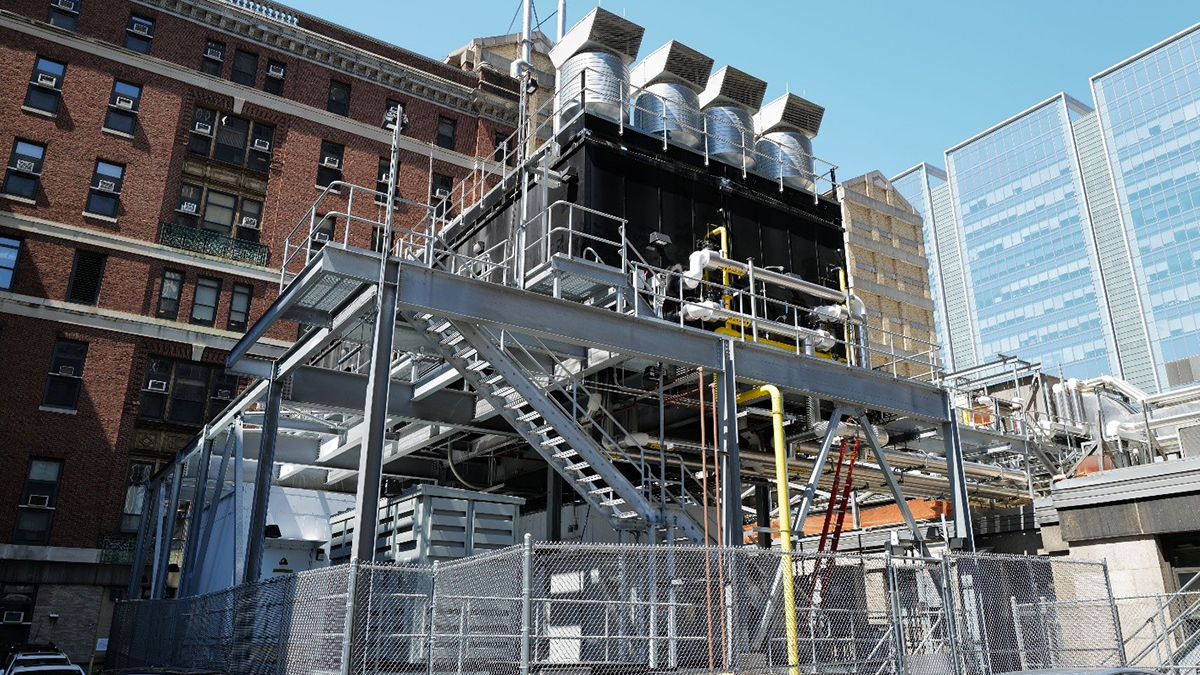
NYC Health + Hospitals today announced that a new Combined Heat and Power (CHP) system, also known as a cogeneration system, at NYC Health + Hospitals/Bellevue will be operational imminently, substantially reducing the facility’s carbon footprint, improving efficiency, and reducing grid dependence. This milestone on Earth Day underscores the public health care system’s commitment to building a more sustainable and resilient future for its patients, providers, and communities. The cogeneration system simultaneously generates electricity and captures usable heat from a single fuel source, achieving overall efficiencies exceeding 80%, compared to 40–50% for conventional power generation. It is projected to generate more than 32.5 million kilowatt-hours of electricity annually, enough to power approximately 7,200 homes for a year, while delivering more than $2 million in annual utility cost savings. These savings will be reinvested into hospital operations to further enhance patient care and services for the communities Bellevue Hospital serves.
“Bellevue Hospital’s new cogeneration energy system will ensure the public hospital system is prepared to serve New Yorkers and provide a greener future for years to come,” said NYC Health + Hospitals President and CEO Mitchell Katz, MD. “Our investments in sustainable, resilient infrastructure are central to our mission to promote and protect the health of all New Yorkers. When we reduce our dependence on the grid and cut our carbon footprint, we affirm the health of our patients and communities, and our commitment to be there to care for them when they need us most.”
“For nearly three centuries, Bellevue Hospital has led through innovation in service of our patients and our city,” said NYC Health + Hospitals/Bellevue Chief Executive Officer Eric Wei, MD, MBA. “This investment in our infrastructure reflects our ongoing commitment to delivering the highest quality care to all New Yorkers without exception while strengthening the resilience of the communities we serve. By advancing solutions that reduce our environmental impact, we are honoring our responsibility to leave a healthier, more sustainable world for future generations.”
“This project demonstrates how we can reduce emissions, strengthen resilience, and reinvest savings back into patient care all at the same time,” said NYC Health + Hospitals Vice President of Facilities, Manny Saez, PhD.
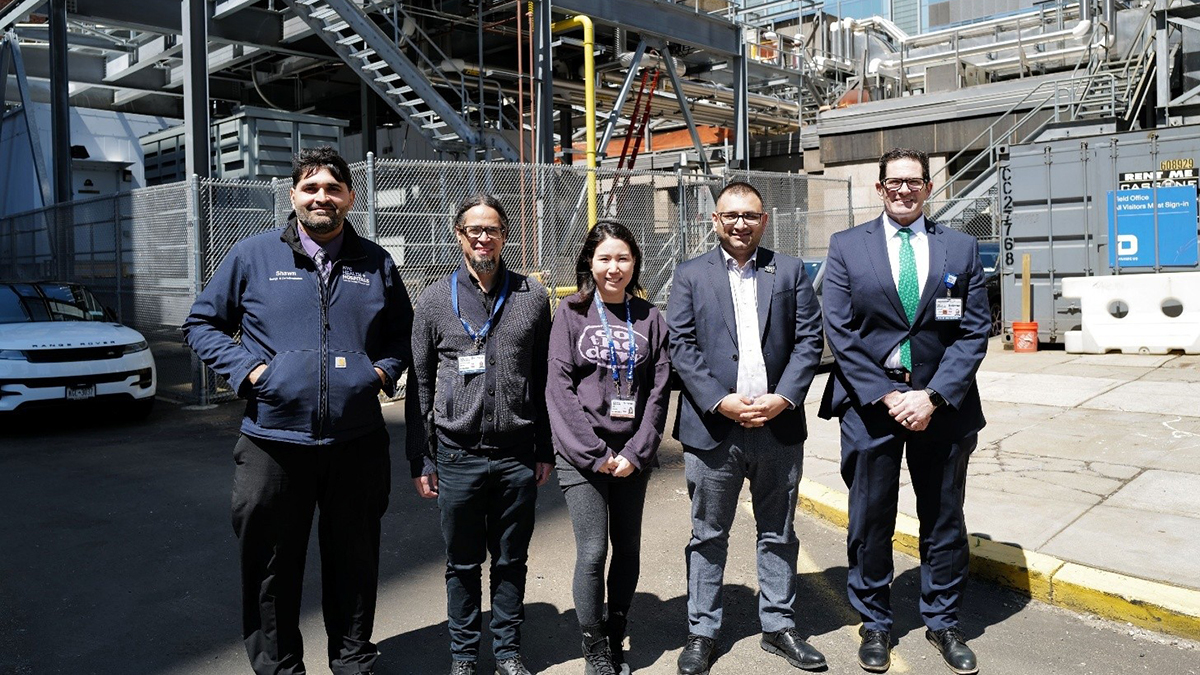
The cogeneration system at Bellevue Hospital consists of two 2.0 MW engines that will offset approximately 60% of the facility’s electricity needs in the winter and 40% in the summer. In addition, the system recovers thermal energy producing approximately 74,000 lbs. of steam annually which will offset roughly 30% of the hospital’s steam demand to support heating and cooling needs year-round. The cogeneration system was designed with Bellevue Hospital and New York City’s climate risks in mind. It is elevated approximately 20 feet above grade to meet 500-year floodplain requirements, a direct response to lessons learned from Superstorm Sandy, when flooding of critical infrastructure forced a full hospital evacuation.
Located in the hospital’s South Parking Lot near major electrical and gas connections, the system is housed within a prefabricated, sound-attenuated enclosure and is enclosed on three sides by existing structures, minimizing visibility, noise, and vibration. Construction was carefully planned and executed to avoid disruption to hospital operations.
“This project required overcoming complex electrical and construction challenges while maintaining uninterrupted hospital operations,” said NYC Health + Hospitals Director of Building Systems Optimization Shawn Oosman. “Reaching this milestone is a testament to the strong collaboration of the Bellevue team and our construction partners. As we move forward, our focus remains on lowering carbon emissions and enhancing the resiliency of our health care infrastructure to better serve our patients and community.”
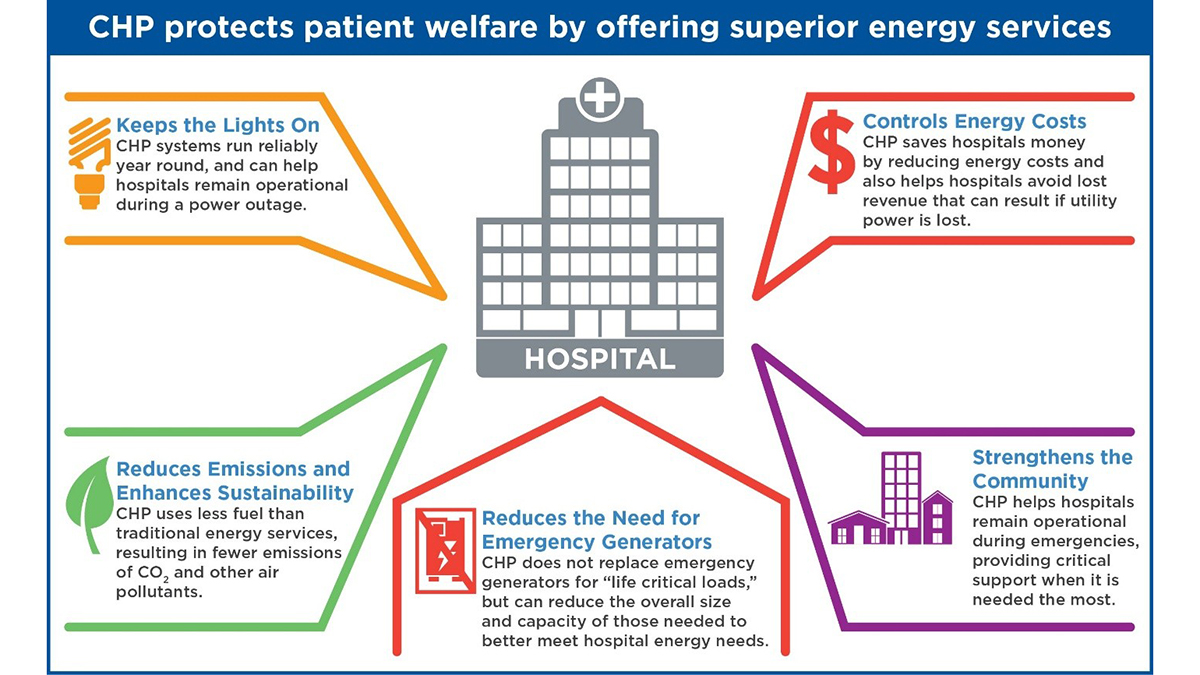
As part of Phase 2, currently in the planning phase, the installation of Network Isolation Switches will further enhance resiliency by enabling the cogeneration system to operate in coordination with emergency generators and support additional critical equipment during prolonged grid disruptions. While emergency generators will continue to serve life safety systems, the cogeneration system will provide supplemental backup power to maintain broader essential hospital operations. When implemented, this added capability will help ensure continuity of care, allowing staff to continue delivering vital medical services during extreme weather events or extended power outages.
Bellevue Hospital’s cogeneration project reflects NYC Health + Hospitals’ broader commitment to sustainability and climate resilience across the public health care system. Since 2006, the health system has achieved approximately a 30% reduction in operational carbon emissions. The reduction has been driven by investments in energy efficiency, including HVAC system upgrades, advanced building controls, LED lighting retrofits, and low-cost energy optimization measures. These improvements not only reduce energy consumption and emissions but also enhance facility resilience by maintaining stable indoor conditions and extending the runtime of emergency backup systems.
Together, these efforts address the goals outlined in NYC Health + Hospitals’ Climate Resilience Plan, announced on Earth Day 2024. The public health care system continues to advance toward its target of a 50% reduction in operational emissions by 2030.
###
MEDIA CONTACT: Press Office
#088-26
About NYC Health + Hospitals/Bellevue
NYC Health + Hospitals/Bellevue is America’s oldest public hospital, established in 1736. Affiliated with the NYU Grossman School of Medicine, the 851-bed hospital is a major referral center for highly complex cases, with 6,000 employees including highly skilled, interdisciplinary clinical staff. The hospital is a Level 1 Trauma Center and annually it sees about 103,000 emergency room visits, and more than 520,000 outpatient visits. Clinical centers of excellence include: Emergency Medicine and Trauma Care; Cardiovascular Services; Bariatric Surgery; Designated Regional Perinatal Center and Neonatal Intensive Care Unit; Children’s Comprehensive Psychiatric Emergency Program; and Cancer Services. For more information, visit www.nychealthandhospitals.org/bellevue and follow us on Facebook and X (Twitter).
About NYC Health + Hospitals
NYC Health + Hospitals is the largest municipal health care system in the nation serving more than a million New Yorkers annually in more than 70 patient care locations across the city’s five boroughs. A robust network of outpatient, neighborhood-based primary and specialty care centers anchors care coordination with the system’s trauma centers, nursing homes, post-acute care centers, home care agency, and MetroPlus health plan—all supported by 11 essential hospitals. Its diverse workforce of more than 43,000 employees is uniquely focused on empowering New Yorkers, without exception, to live the healthiest life possible. For more information, visit www.nychealthandhospitals.org and stay connected on Facebook, Twitter, Instagram and LinkedIn.