


Insights: How Diabetes Affects Our Vision
This Diabetes month we are focusing on a side-effect that affects a large number of people living with diabetes: eye health.
It’s estimated that a quarter of all Americans with diabetes are living with diabetic retinopathy, a leading cause of blindness among working-age adults and especially common in Black and Hispanic people.
The good news is, it is preventable.
For information and insight into how diabetes affects vision, and how we can prevent it, we turn to Dr. Tarun Sharma, Attending, Vitreoretinal Surgeon, NYC Health + Hospitals/Harlem and Dr. Zimri Tan, Interim Chief of Ambulatory Services and Chief of Primary Care at NYC Health + Hospitals/Harlem.


Q. How does diabetes affect vision in general?
Dr. Tan: Over time, high blood sugar damages the tiny blood vessels and nerve cells in the retina, the light-sensing layer at the back of the eye. Damaged vessels can leak fluid or blood, or close off. When that happens, the eye may grow fragile new vessels that bleed easily. Even short-term swings in blood sugar can make vision temporarily blurry by changing how the lens focuses light. The good news is, much of vision loss related to diabetes can be prevented or treated when it’s caught early.
Dr. Sharma: Diabetes affects vision and eye health in a variety of ways:
- Temporary blurry Vision
High blood sugar can cause the lens of the eye to swell. The swollen lens changes your ability to focus, making your vision blurry. This type of blurriness usually goes away once your blood sugar returns to a stable, healthy range. - Diabetic retinopathy
This is the most common cause of vision loss among people with diabetes. High blood sugar damages the delicate blood vessels in the retina (the light-sensitive layer at the back of the eye). These vessels can leak fluid or become blocked completely. In advanced stages, abnormal new blood vessels grow on the retina, which are fragile and can bleed into the eye. - Diabetic macular edema (DME)
The macula is the center part of the retina responsible for sharp, straight-ahead vision (like reading or driving). When damaged blood vessels leak fluid into the macula, it swells, causing blurry or distorted central vision. - Cataracts
A cataract is a clouding of the eye’s natural lens. While anyone can get cataracts as they age, people with diabetes are much more likely to develop them, and they often develop them at a younger age. - Glaucoma
Diabetes is also linked to a higher risk of glaucoma, a group of conditions that damage the optic nerve, which carries visual signals from the eye to the brain.
Q. Does diabetic retinopathy have different stages and are they all equally dangerous?
Dr. Tan: Yes, Diabetic retinopathy develops in different stages and degrees of severity.
Dr. Sharma. It is important to distinguish between the different stages.
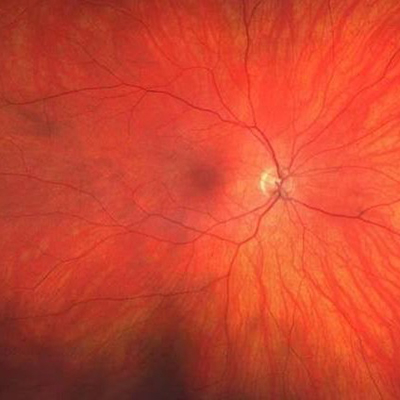
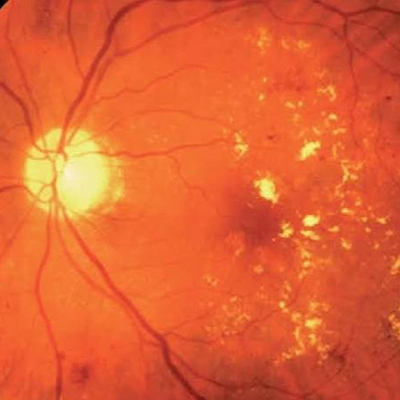
- Non-proliferative Diabetic Retinopathy (NPDR)
In the earlier stages, damaged blood vessels may leak fluid or blood into the retina. As the disease progresses, more blood vessels may become blocked. Swelling in the central retina, called diabetic macular edema, can develop at any stage and affect sharp, central vision. - Proliferative Diabetic Retinopathy (PDR)
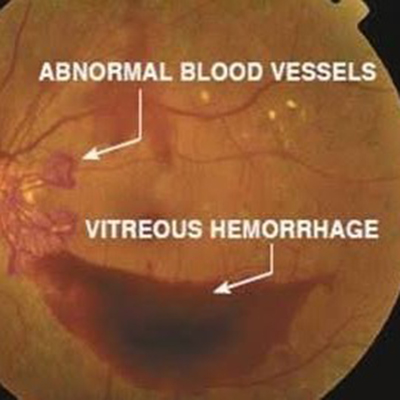
In advanced disease, the retina may grow abnormal, fragile new blood vessels. These vessels can bleed into the eye, causing sudden vision loss. Scar tissue may also develop and pull the retina away from the back of the eye, a serious condition called retinal detachment.
Q. Can diabetic retinopathy develop even if vision is normal?
Dr. Sharma: Yes, in its early stages, diabetic retinopathy often causes no noticeable symptoms. Damage to the retinal blood vessels may develop gradually, without pain or changes in vision.
As the disease progresses, some people may experience blurred or fluctuating vision, floaters, dark or missing areas of vision, or sudden loss of vision. Sudden vision loss may result from complications of the more advanced stage known as PDR which we just discussed, or retinal detachment.
The important message is that you should not wait for symptoms before having your eyes examined.
Dr. Tan: Yes, it’s definitely possible. Damage to small blood vessels begins before blood sugar reaches the level used to diagnose diabetes. So, for example, people with prediabetes have increased odds of retinopathy compared with people with normal blood sugar. The higher the average blood sugar (A1C), the higher the risk. In most people with prediabetes, these changes are mild and may not be apparent
Q. When should people with diabetes have their eyes examined, and how often?
Dr. Sharma: Regular eye exams are essential for everyone with diabetes, even when their vision is normal. The timing of the first exam depends on the type of diabetes.
- Type 1 Diabetes
Adults should have their first comprehensive dilated eye exam within five years of diagnosis. - Type 2 Diabetes
An eye exam is recommended at the time of diagnosis because diabetic retinopathy may already be present. - During Pregnancy
Women with preexisting Type 1 or Type 2 diabetes should have an eye exam before pregnancy, if possible, or during the first trimester. Additional exams may be needed during pregnancy and after delivery.
Most people with diabetes should have a dilated eye exam every year. If repeated exams show no signs of diabetic retinopathy and blood sugar is controlled, exams every one to two years may be appropriate depending on your doctor’s advice. People who already have diabetic retinopathy may need more frequent exams.
Q. What can people with diabetes do to protect their vision?
Dr. Sharma: The good news is that much of the vision loss caused by diabetes can be prevented. Managing diabetes carefully, having regular eye exams, and receiving timely treatment can greatly reduce the risk of serious vision problems.
Here are some important steps to protect your eyesight:
- Control your blood sugar
Keeping blood sugar levels within your recommended target range helps reduce the risk of developing diabetic retinopathy and slows its progression. - Manage blood pressure and cholesterol
High blood pressure and abnormal cholesterol levels can increase the risk of diabetic eye complications. - Maintain a healthy lifestyle
Regular physical activity, a balanced diet, and avoiding smoking can help protect both your eyes and your overall health. - Have regular dilated eye exams
Early detection is essential because diabetic retinopathy may develop without any noticeable changes in vision.
Q. What treatments are available?
Dr. Sharma: If diabetic retinopathy develops, several effective treatments can help preserve vision:
- Eye injections
There are effective medications that can be injected into the eye which can reduce swelling in the retina and control abnormal blood vessel growth. - Laser treatment
Laser therapy can help control abnormal blood vessels and reduce the risk of severe vision loss. - Vitreoretinal surgery
In advanced cases, a procedure called vitrectomy may be necessary to remove blood from inside the eye or repair a retinal detachment.
Not everyone with diabetic retinopathy needs immediate treatment. In the early stages, careful monitoring and good diabetes management may be sufficient.
Here’s the most important takeaway: Diabetes does not have to mean losing your sight. With regular eye exams, good diabetes management, and timely treatment when needed, many people with diabetes can maintain healthy vision!
NYC Health + Hospitals/Harlem is proud to have launched its Surgical Retina Service in 2024. Equipped with state-of-the-art technology and supported by an experienced, dedicated surgical team, the service provides advanced retinal care to the Harlem community, offering the “Gift of Sight” to patients with sight-threatening complications of diabetic retinopathy.
To Make An Appointment
Call 1-844-NYC-4NYC
to make an appointment with an NYC Health + Hospitals provider today.